

Parks are essential for everyone. They give us access to nature, spaces to relax and to meet friends, room for activity. A good park can be the heart of its community. But these benefits are not equally open to all.
Women and girls often do not feel safe in parks and so use them less. This is not just because they fear crime, they also feel uncomfortable, unwelcome and judged. Women are three times more likely than men to feel unsafe in parks during the day, and that gets worse after dark.
This is unfair and unequal – and it’s what our Safer Parks guidance sets out to change.
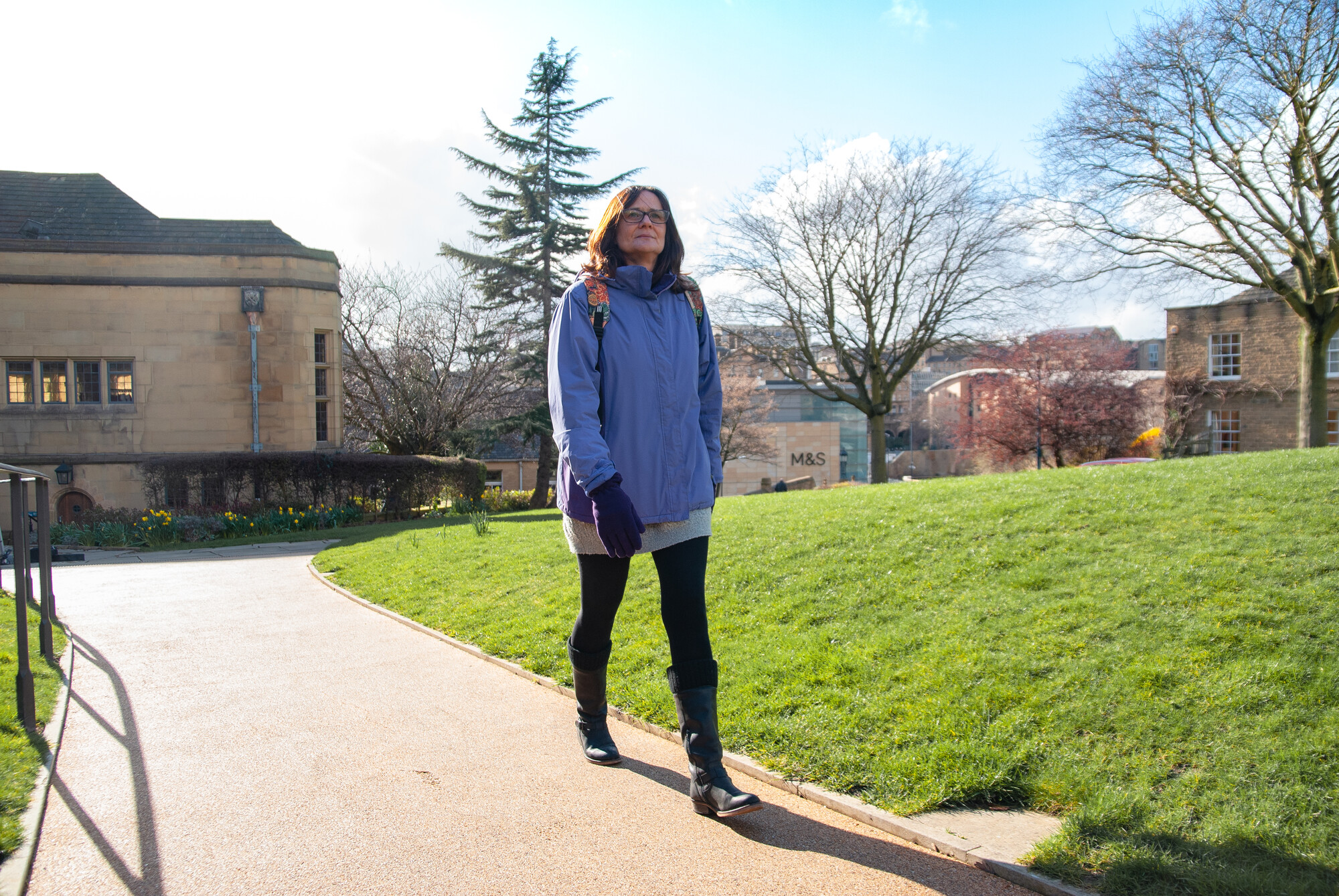
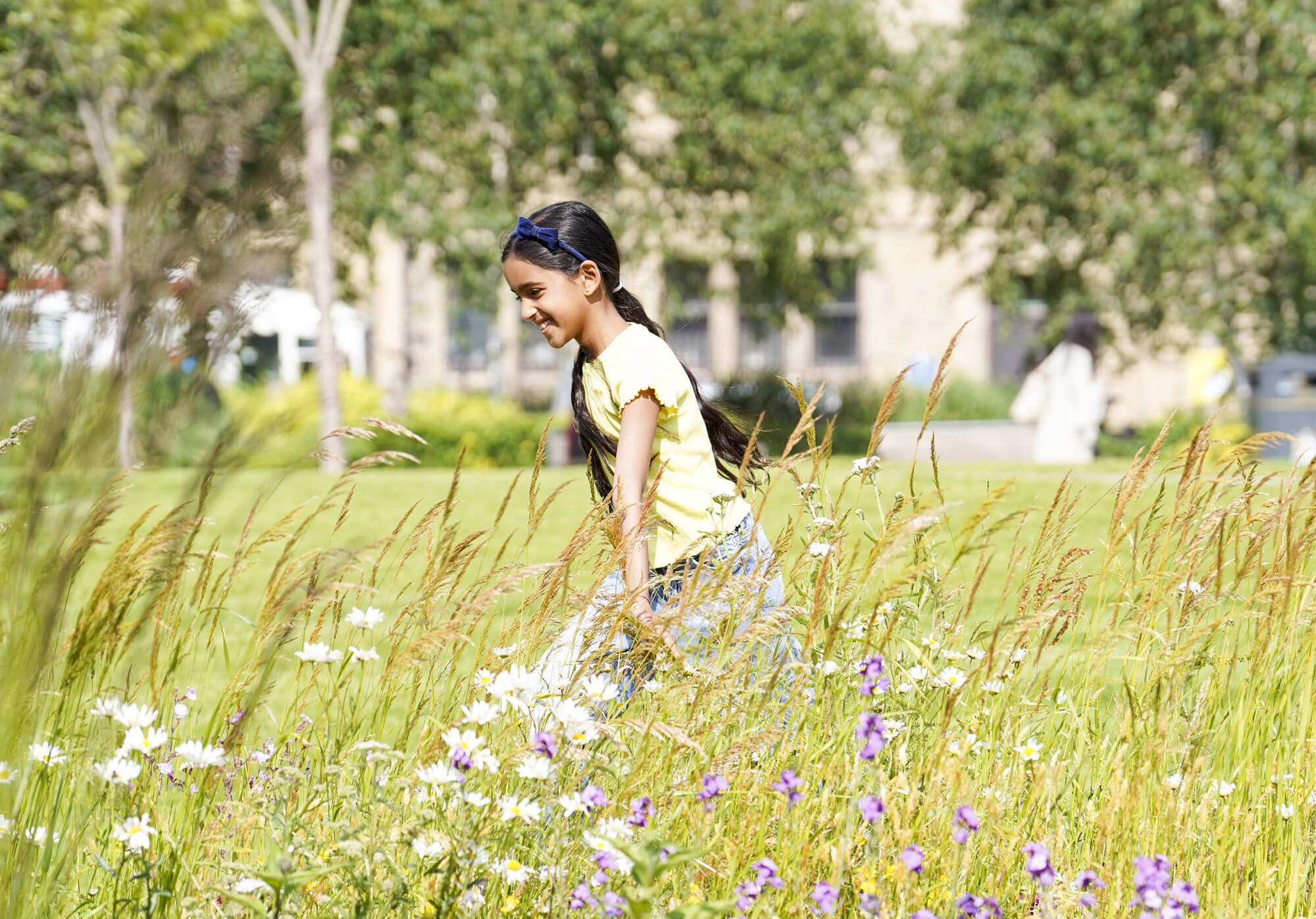
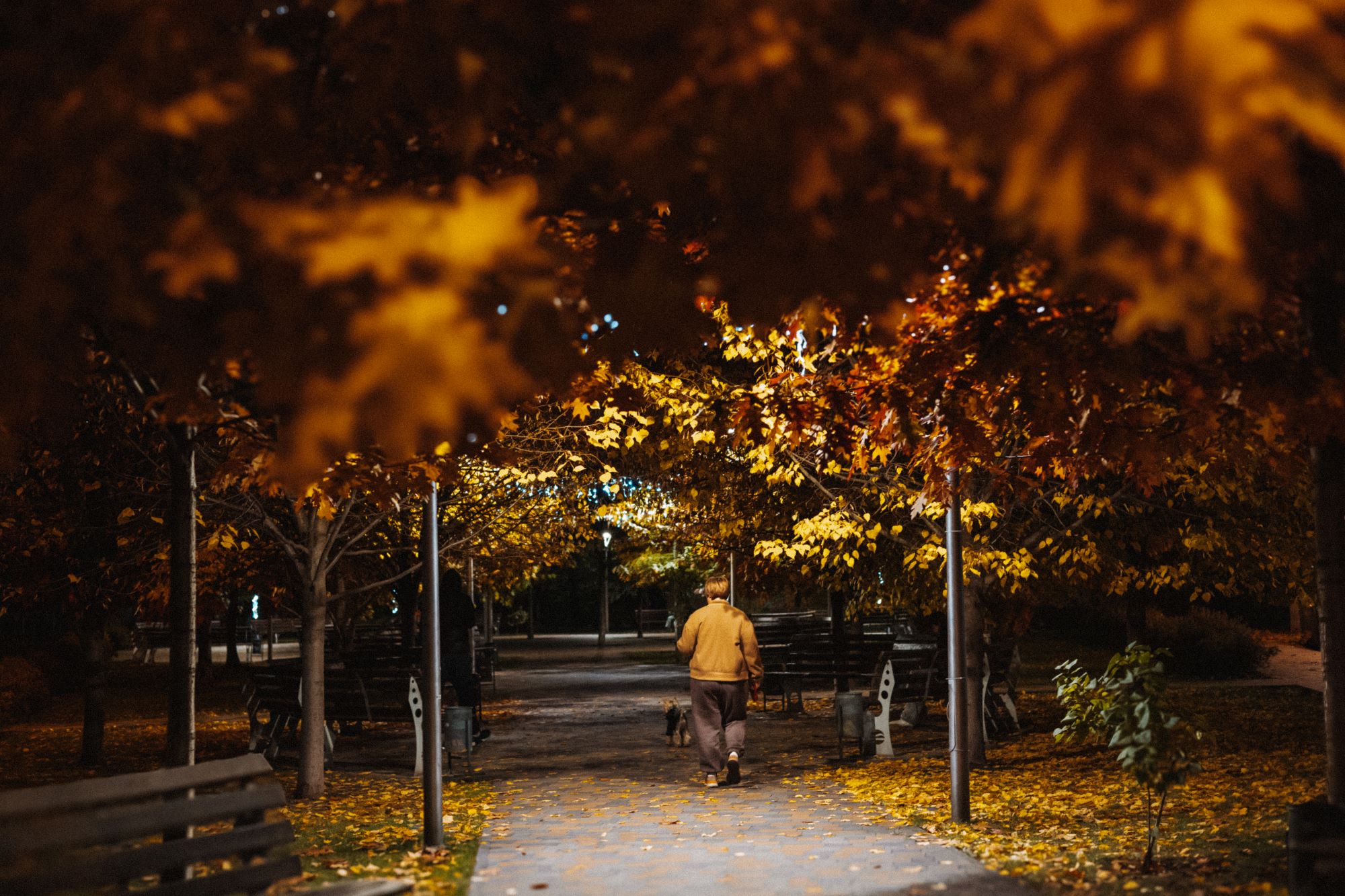
Our Safer Parks guidance is based on research from the University of Leeds on what women and girls think would make parks safer, more attractive places where everyone feels they belong.
It was launched in May 2023 at an international conference at the University of Leeds. You can read the conference report and watch videos of the presentations on YouTube.
The guidance is aimed at everyone who cares about how parks are designed and managed.
Some of the suggested changes are simple and cheap, others more complex, but they are all designed to improve safety and inclusion.
Better design and management can’t solve all the problems which keep women and girls out of parks, but with the right planning, funding and support, the benefits of parks and green spaces can be enjoyed more equally by everyone.
Since its launch in 2023, the guidance has become part of the Green Flag Award programme, the UK Government’s standard for parks.
It has also been included in Secured by Design, the police initiative that promotes safer places.
This guidance has helped shape park design and policy across West Yorkshire, the UK, and beyond - making public spaces more inclusive and welcoming for everyone.
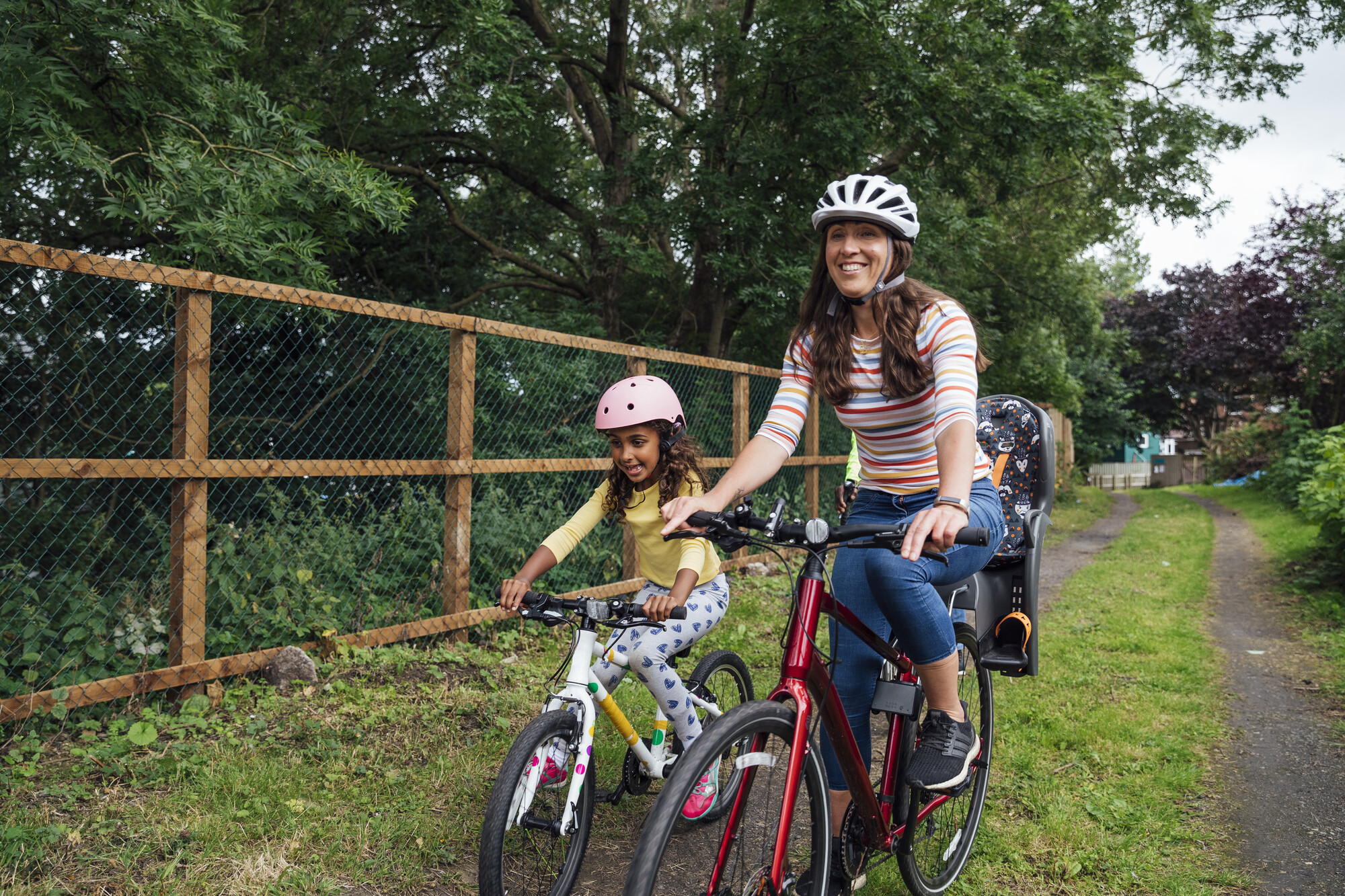

People can report safety concerns in public places, including parks, anonymously using the StreetSafe map. The information is used by police and partners to address the issues raised.
You can also call the police non-emergency number 101, report crimes online, contact West Yorkshire Police via Live Chat, or get in touch with your local park management or neighbourhood policing teams. In an emergency, please call 999.